Song Yingxing
Introduction
Song Yingxing (1587–1666) was a prominent Chinese scientist and agronomist of the late Ming Dynasty (1368-1644). He is best known for his comprehensive encyclopedia Tiangong Kaiwu (The Exploitation of the Works of Nature), published in 1637. His work is highly regarded for its exploration of various technological fields and its detailed documentation of ancient Chinese manufacturing and agricultural techniques.
Tiangong Kaiwu: The Technological Encyclopedia
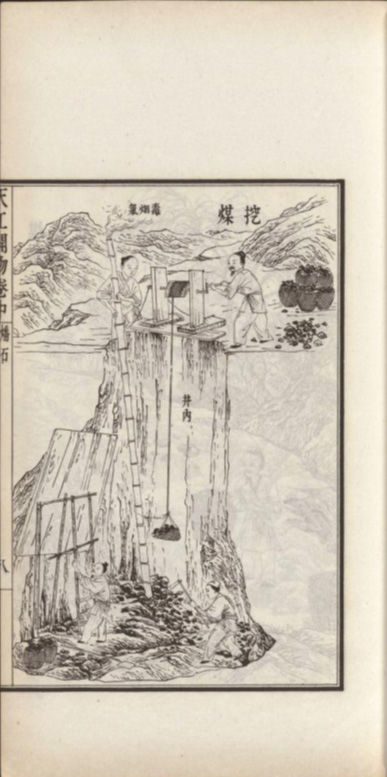
Tiangong Kaiwu stands as Song Yingxing's most well-known contribution to science and technology. Published in 1637, this work is often referred to as the "Encyclopedia of Technology" due to its comprehensive coverage of a wide range of subjects. The book includes detailed descriptions and illustrations of various manufacturing processes, agricultural techniques, and technological innovations of the time.
Scope and Content
The encyclopedia addresses numerous technical topics, one of which includes the application of gunpowder-based weapons. Song Yingxing also delves into the production of everyday items such as tiles, bricks, and pottery. He elaborates on the use of water and fire in these processes, showcasing the harmonious combination of natural elements in creating useful products. His descriptions emphasize the artistry involved in these crafts, particularly in the creation of porcelain, which he describes as having a "crystalline body glittering with minimalist grace."
Significance and Impact
Tiangong Kaiwu is significant not only for its content but also for the methodical approach Song Yingxing employed in documenting technological practices. His work serves as a valuable historical record of Chinese innovations and craftsmanship, providing insights into the technological advancements of the period. The encyclopedia is considered a critical resource for understanding the technological history of China and has been recognized as an important scientific and cultural heritage.








